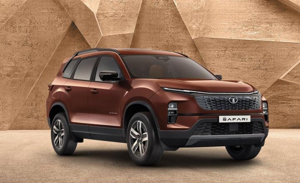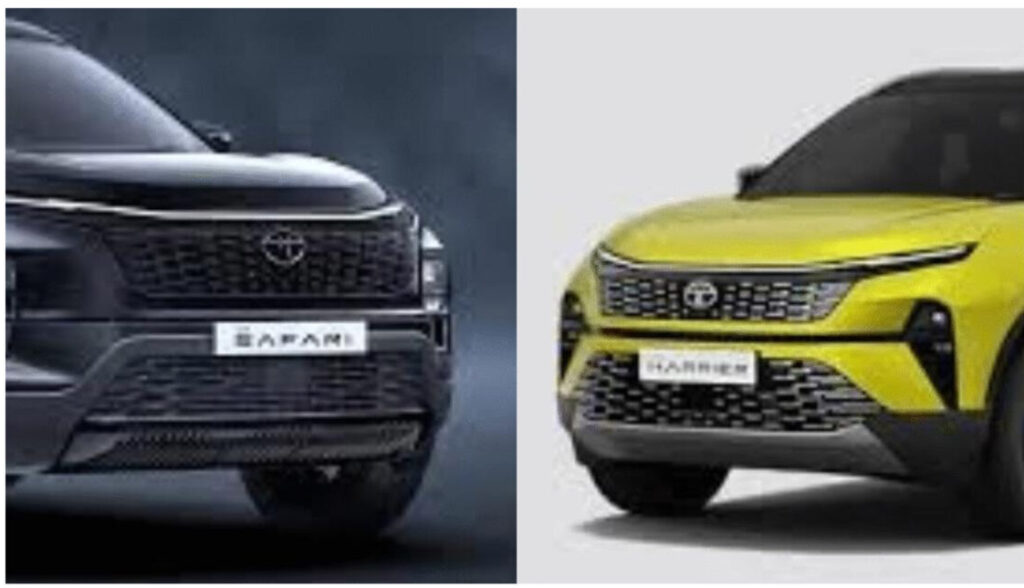
Tata is set to launch petrol engine versions of its Tata Safari and Harrier SUVs on December 9, 2025, marking the first time these models will offer a petrol powertrain in India. Both vehicles will receive Tata’s new 1.5-litre turbocharged direct-injection (TGDi) petrol engine, part of the ‘Hyperion’ series, aimed at enhancing refinement and efficiency for Indian SUV buyers.
Engine and Transmission Details
The new petrol engine is a 1.5-litre, 4-cylinder, direct-injection turbocharged unit.
Expected output is 170 hp at 5,000 rpm and 280 Nm of torque between 2,000–3,500 rpm.
Transmission options will include a 6-speed manual and likely an automatic—either a torque converter or dual-clutch, with specifics to be confirmed following the Tata Sierra debut on November 25.
Features and Technology
The petrol TaTa Safari and Harrier will mirror the features offered on their diesel counterparts.
Key features include a 12.3-inch infotainment system, 10.25-inch digital driver’s display, ventilated front seats, dual-zone auto AC, multi-color ambient lighting, wireless charger, 9-speaker JBL audio system, panoramic sunroof, and powered tailgate.
The new engine is built from lightweight aluminum, incorporates a water-cooled variable geometry turbocharger, and supports E20 ethanol fuel compatibility as well as BS6 Phase II emission norms.
Market Impact of TaTa Safari and Harrier
These petrol variants make Tata’s mid-size SUV lineup more competitive against rivals that already offer both petrol and diesel options, potentially reducing the starting price and broadening appeal.
Jeep is expected to source this new engine for future Compass and Meridian models.
The introduction of a turbo petrol unit might improve the presence of the models against their competitors, as most of the rivals in the category have petrol-powered units along with options of diesel. Furthermore, it is likely to bring down the prices of both the SUVs.
The current 2.0-litre diesel engine on the Harrier and Safari produces 167 hp of power and 350 Nm of peak torque. This unit comes paired with either a six-speed MT or a six-speed AT. Presently, the Safari starts at Rs 14.66 lakh (ex-showroom) and the Harrier starts at Rs 14 lakh (ex-showroom).
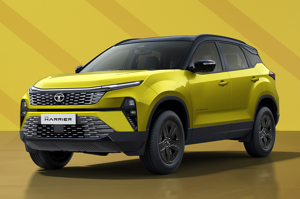
With all of this, the Harrier competes against models like Jeep Compass and MG Hector, while the three-row Safari rivals models like Mahindra XUV700, Hyundai Alcazar, and Jeep Meridian in the Indian market.
Launch and Pricing
Official pricing and final technical details will be revealed during the launch on December 9, 2025.
Related Tata models (diesel only until now) like the Safari currently start at ₹14.66 lakh and the Harrier at ₹14 lakh, ex-showroom, with the petrol versions likely to position slightly lower or at competitive levels to adjust for engine cost differences.
The Tata Safari and Harrier petrol engine introduction is a significant upgrade designed to meet evolving market preferences for cleaner, efficient, and more affordable SUV powertrains in India.
Features and trims for the petrol variants
The petrol versions will continue to be offered with manual and automatic transmissions, expanding options for buyers.
Features such as the panoramic sunroof, dual-zone automatic climate control, ventilated seats, and high-end infotainment system with a 12.3-inch touchscreen and JBL audio system are expected to carry over.
The petrol TaTa Safari and Harrier will align with the existing trim structure, which includes trims like the Adventure X and Accomplished X for Safari and similar trims for Harrier, without adding or removing significant new equipment specifically for the petrol launch.
Some rumors suggest the petrol version may help position Tata SUVs at a slightly more affordable price point compared to diesel trims, but feature richness is unlikely to be compromised.
Higher trims currently used on diesel models, such as ADAS Level 2 features (adaptive cruise control, autonomous emergency braking, lane-keep assist), 360-degree cameras, and digital instrument displays, will likely be available or continue in petrol variants.
Overall, the petrol launch is framed more as a powertrain addition to enhance market competitiveness, offering buyers both manual and automatic petrol options on popular SUVs with the same feature appeal as existing diesel models. The priority is refinement, fuel efficiency, and a lower cost of ownership rather than changing trim features drastically.