Here is a detailed overview of the top 5 upcoming premium electric vehicles (EVs) expected to make a significant impact in 2026, focusing on their features, technology, appeal, and the human context of what these mean for buyers with global electric mobility, with some of the world’s most influential manufacturers preparing to enter the EV era with next-gen battery-electric models. Brands such as Mercedes-Benz, Ferrari, Volvo, BMW and Honda are gearing up to launch premium electric vehicles that promise major advancements in performance, charging technology, range capabilities and design philosophy.
These launches will play a critical role in shaping the competitive EV landscape within the global market, including India, as most, if not all, of these models are expected to reach our shores. If you are interested in the next era of electric mobility, here is a look at the top 5 upcoming EVs set to debut in 2026:
Mercedes-Benz CLA EV (2026)
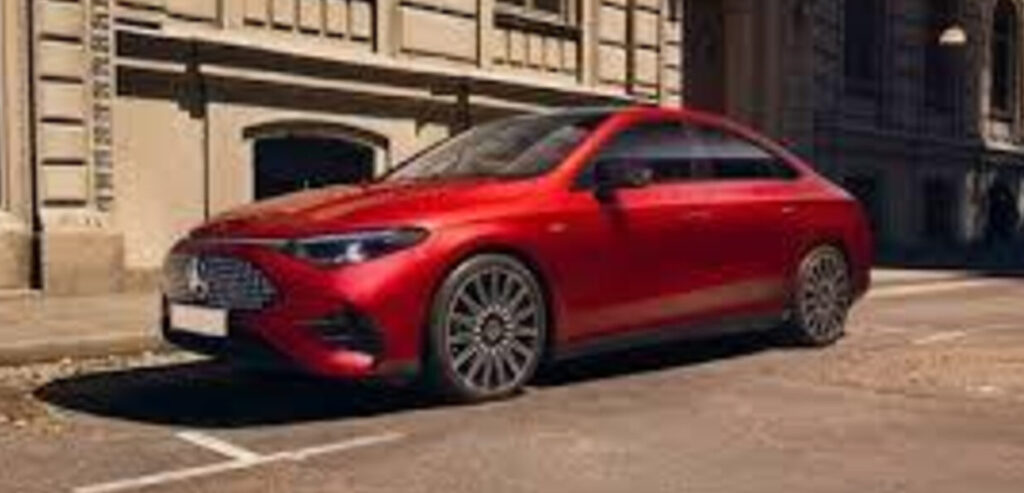
This one is a big deal — the all-new CLA is going fully electric, marking Mercedes’s effort to bring premium EV tech into a more compact, accessible luxury sedan, Under the skin, it has an 85 kWh battery and uses an 800-volt architecture, which is quite advanced, In WLTP (a European range test), the CLA 250+ version claims up to 792 km — yes, almost 800 km!
It supports super fast charging: up to 320 kW, meaning it could add ~200 miles (WLTP) in just 10 minutes under ideal conditions, There are two powertrain versions: a single motor (rear-wheel drive) CLA 250+ and a dual-motor all-wheel drive CLA 350 4Matic, which is quicker.
Mercedes is calling it “emotional,” but there’s method behind it — with super-efficient aerodynamics, a low drag coefficient, and smart thermal management (like a heat pump) to boost efficiency, On the design side, there’s a CLA Shooting Brake (an estate/wagon version) too, which will hit Europe in 2026.
Why it matters: This EV could be a game-changer. It mixes luxury, very high range, and fast charging in a smaller package — making it more usable than many big EVs for everyday driving, yet still premium.
Premium electric vehicles Volvo EX60:
The Volvo EX60 all-electric SUV will globally debut on January 21, 2026, as the first model to be built on the Swedish brand’s new modular SPA3 architecture. This is the electric version of the existing XC60 and retains its silhouette, expected to feature minimalist design cues and a bold road presence.
It will be underpinned by a Superset tech stack, which will be foundation for all future electric Volvos. This highly scalable tech stack comprises a set of hardware and software components that can be arranged in multiple ways to form the SUV. With this modular design that can produce cars of all sizes, Volvo aims to improve cash flow by cutting down on investment and R&D costs.
Why it matters: The EX60 shows Volvo’s commitment to scalable, high-performance EVs. With its fast charging and modern architecture, it could be one of the most appealing EVs in the premium SUV segment — especially for those who want an EV that’s practical and travel-friendly.
Ferrari Elettrica:
Maranello will take the wraps off its first electric car in the first half of 2026, but the Italians have already revealed the initial details by outlining the architecture that underpins the model. The Ferrari Elettrica is the company’s first step into the EV era after 2 decades of research in F1 racing. It will be built on a fully electric powertrain with an 800V floor-integrated battery that powers the e-axle motors. With this, the Elettrica is claimed to push over 1,000 bhp.
Why it matters: This is Ferrari’s boldest step into electric. It’s not just about going green — it’s about doing it without compromising the soul of a super brand. The Elettrica could combine Ferrari’s legendary performance with luxury EV practicality, and that makes it deeply exciting.
Premium electric vehicles BMW iX3:
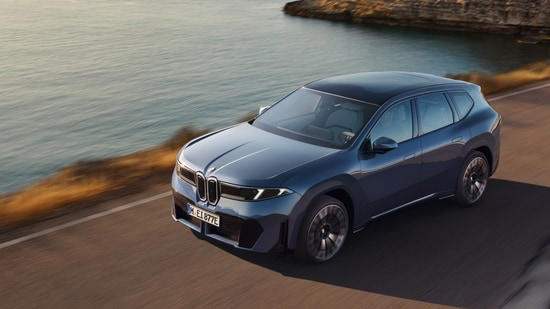
The BMW iX3 is currently the most important model from the Bavarian manufacturer as it debuts the dedicated Neue Klasse EV platform as well as the company’s new design language for all upcoming cars. The 800V architecture debuts the sixth-gen eDrive system with newly developed motors that draw power from high-density cylindrical cells.
The iX3 50 xDrive is the only variant to have been unveiled as of yet, and it will go on sale in 2026 at around $60,000 (~ ₹52.91 lakh). It has dual electric motors that send a combined 463 bhp and 645 Nm to all four wheels, reaching 100 kmph from a standstill in 4.7 seconds. BMW claims the iX3 will offer 644 km on the EPA cycle and approximately 800 km on the WLTP cycle.
Honda 0 Alpha:
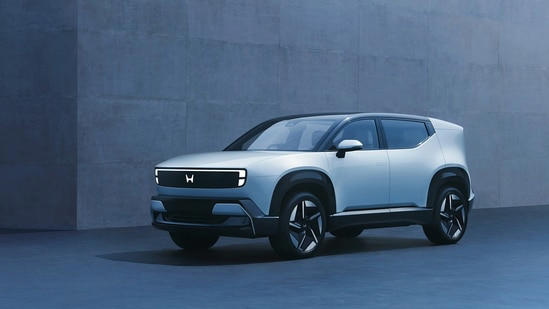
The Honda 0 Alpha (or Honda 0 α) is set to become the Japanese OEM’s most accessible next-gen premium electric vehicles , and it will reach global markets, including India, by 2027. This is the gateway model to the company’s 0 Series, which includes the 0 Series Saloon and the 0 Series SUV. The 0 Alpha debuts the “Thin, Light, and Wise” design philosophy with clean lines and a wide stance. It wears a futuristic front fascia with soft edges, a U-shaped LED light bar at the rear, and a glass roof that stretches across the cabin for an open-air-like ambience.
Honda says this car will debut its next-gen automated driving tech, featuring artificial intelligence paired with sensors and driver monitoring systems to make improved, human-like decisions. Although technical specifications are not yet available, Honda says the SUV can fast charge from 15 per cent to 80 per cent in about 10–15 minutes, while the batteries can retain over 90 per cent of their capacity even after a decade-long use.